Showing posts with label Specialty and Fine Chemicals. Show all posts

Thursday, 25 November 2021

Metal Injection Molding Powders possess mechanical properties, higher density and low distortion rate which assist in achieving better surface finish in final products


Metal injection moulding powders


Metal injection moulding powders, also known as mechanical injectors, are a type of engineering technology used to create precision, detailed, and web-shaped objects out of metal powder. This method entails high-volume injection of heated polymers, plastics, and other components into moulds to produce well-defined and well-shaped pieces for a given application. The moulds that are passed through the machines produce the pieces at a high rate. As a result, the process must be managed with extreme caution and knowledge.

Metal injection molding powders can be used for a variety of purposes, such as metal prototypes for engineering and design, metal parts for construction, tooling for various manufacturing processes, as well as metal components for toys and art. Manufacturers and service providers must deal with a number of issues in metal process technologies. As a result, many businesses have resorted to companies and individuals who can provide a full solution for metal injection moulding powder demands. For example, Mantle, a 3D metal printing start-up based in the United States, unveiled its TrueShape Technology in February 2021, which featured the widespread usage of injection moulded plastic powders in dies of desired forms.

Metal injection moulding powders are a low-cost finishing solution for any plastering project. Home plastering supplies are commonly referred to as dry powder, wet powder, or paste. The holes allow the powder to be poured into the container, which is then allowed to dry so that it can be layered into a variety of textures.

One of the most commonly used types of powders is the bronze powder molding. These are typically used for tiling and other types of interiors. Some examples of the types of materials that can be used in Bronze Powder Molding are glass, metal and porcelain. Typically, the bronze molding powder comes in three different forms such as the liquid, granular and solid. The liquid and granular molding powders are the easiest to work with since they have the best chemical resistance properties. They can be used to create both bumpers and stock shapes, and they can also be used on a variety of different surface types such as wood, ceramic tile, marble, granite and stainless steel.

Tuesday, 23 November 2021

Thermal spray coatings are used to improve friction and wear and, as a result, the life span of machine parts is enhanced.


Thermal spraying Coating market


Thermal spraying techniques are coating methods that include spraying melted (or heated) materials onto a surface. Electrical (plasma or arc) or chemical techniques are used to heat the "feedstock" (coating precursor) (combustion flame).

When compared to other coating methods such as electroplating, physical and chemical vapour deposition, thermal spraying may create thick coatings (approximate thickness range is 20 microns to several millimetres, depending on the procedure and feedstock) over a large area at a high deposition rate. Metals, alloys, ceramics, polymers, and composites are among the coating materials accessible for thermal spraying. They are fed as powder or wire, heated to a molten or semimolten state, and accelerated as micrometer-sized particles towards substrates. The source of energy for thermal spraying is typically combustion or electrical arc discharge. Resulting coatings are made by the accumulation of numerous sprayed particles. The surface may not heat up significantly, allowing the coating of flammable substances.

The mechanical bond between a thermal spraying coating and the substrate is stronger than metallurgical or fused bonds. Adhesion to the substrate is determined by the quality of the substrate surface, which must be cleaned and roughened prior to spraying with grit blasting or machining

Thermal spraying methods have been widely employed for component preservation and reclamation for many years across all main engineering industry areas. Recent equipment and process innovations have enhanced the quality of thermally sprayed coatings and broadened their possible application range.

What are the Benefits of Thermal Spraying?


  • Comprehensive choice of coating materials: metals, alloys, ceramics, cermets, carbides, polymers and plastics
  • Thick coatings can be applied at high deposition rates
  • Thermal spray coatings are mechanically bonded to the substrate - can often spray coating materials which are metallurgically incompatible with the substrate
  • Can spray coating materials with a higher melting point than the substrate
  • Most parts can be sprayed with little or no preheat or postheat treatment, and component distortion is minimal
Thermal spray coatings are extensively used in the manufacturing of gas turbines, diesel engines, bearings, journals, pumps, compressors and oil field equipment, as well as coating medical implants.

Thermal spraying is principally an alternative to arc welded coatings, although it is also used as an alternative to other surfacing processes, such as electroplating, physical and chemical vapour deposition and ion implantation for engineering applications.


Thursday, 18 November 2021

Mining lubricants are useful for heavy-duty machines such as pumps, compressors, and bulldozers


Mining lubricants market


Mining can be done both on the surface and underground. Rock drills, scoops, loaders, hydraulic shovels, and draglines are frequently employed in mining operations, causing wear and tear. This reduces downtime and extends the life of the equipment. As a result, mining lubricants play a crucial part in mining operations. In mining, anti-wear performance and corrosion protection are mostly required to safeguard the metal surface. Mining lubricants are used to cut expenses by lengthening drain intervals, boosting energy efficiency, and extending the life of equipment. Because of the heavy duty nature of mining activities, safe lifting of huge loads is critical.

Mining Lubricant solutions have a wide range of possible applications in non-traditional mining operations. These applications include heavy equipment repair and maintenance, particularly for those in the mining, oil and gas, and construction industries. Lubricant solutions help improve the operation of gears, generators, and other heavy machinery subjected to high torque and stress. Lubricant, for example, offers much-needed temporary strength and power to functioning cable seals.This is especially critical in situations where it becomes necessary to shut down equipment that is inoperable or where a complete overhaul is needed due to a catastrophic event, such as a spark plug being burned through while it is still in the engine.

Mining Lubricant can also be used in a wide range of electrical applications, such as electric chain drives and other open gear lubricants for grease and other uses. These applications, however, can only be carried out with the support of an effective and strong equipment-cleaning system. Furthermore, while lubricant cannot prevent corrosion, it is frequently used in conjunction with specific mineral additives. Polyisoprene is a popular addition. Among the several mineral additions, polyisoprene has the most applications, offering the most comprehensive spectrum of protection and support.

Polyisoprene is a long-lasting and dependable alternative to petroleum-based lubricants. It's also immune to the most prevalent chemical attacks in mines. Indeed, it can endure temperatures of up to 1500 degrees Fahrenheit, making it appropriate for usage in a wide range of applications. The most significant advantage of polyisoprene over conventional petroleum-based lubricants is that it can protect metal loads from the damaging effects of wear and tear, particularly in settings when the metal is subjected to extreme temperatures.

Tuesday, 16 November 2021

A look at UV coatings and their advantages, including their high clarity, eco-friendliness, and abrasion resistance


UV coatings Market


UV coatings have a number of UV protection and aesthetic advantages. Ultraviolet protection is required in many aspects of daily life, including industrial and medicinal uses. A particular layer of a chemical substance is put to a protective film to provide this form of protection. This film stays intact for the duration of its life cycle, safeguarding whatever it is protecting. This can be accomplished using a variety of ways, including physical liquid UV, gas-filled UV, or a coated film.

The conventional UV coating, which is put to practically every object that could benefit from a protected surface, is the most frequent type of UV coating. A printed piece of paper or plastic is an example of an item that frequently uses UV coatings. Many printed objects are protected from harm by lamination, while some items are simply produced using UV film, which provides the UV protection and aesthetics required for so many diverse uses.

Another type of UV coating that is commonly used in printed materials is called a zinc-coated print. This is usually found on boxes, CDs, DVDs, and even jewelry items. A zinc coating provides protection against the sun's damaging rays and can even provide the ability to prevent tarnishing if certain conditions exist. Many manufacturers use this type of coating to make their products less susceptible to damage from UV rays. There are several advantages to using UV-coated items. First, the material protects from the sun's damaging rays. It is also easier to remove than regular sunscreen since the film sticks to itself. UV coatings can be applied to virtually any surface, although it is most often used to protect computer monitors from UV rays. Recently, in March 2021, AkzoNobel launched an instant drying solution RUBBOL 100% UV cured exterior range of Sikkens wood coatings.

Sunday, 14 November 2021

Flexographic printing inks are modern printing solutions capable of reproducing high-quality images


Flexographic Printing Inks Market

Flexographic inks are predicted to expand in popularity due to their excellent drying qualities, which increase the printing pace. Due to the increased demand for high-speed printing techniques, flexographic inks are also becoming more popular. As a result, the increased demand for high-performance printing inks is expected to drive flexographic inks market growth in the near future.

The pharmaceutical industry's high demand for flexible packaging is propelling the market for flexographic inks forward. Flexible packaging is used in the packaging of drugs and medical devices. Growing geriatric population is driving demand for healthcare facilities, thereby expanding pharmaceutical industry. Hence, growth in the pharmaceutical industry is propelling demand for flexible packaging which in turn augmenting the market growth of flexographic inks.

It can be printed on any kind of substrates, including glass, ceramic, metal, marble, wood, fiberglass, paper, plastic, or fabric, using different types of ink inks. These ink solutions are usually dried over a period of time, usually between five to eight weeks, depending upon the application needs of the customer

Flexographic printing inks have the capacity to create high-resolution images with vibrant colour reproduction. This technology can be used to print directly on metal, wood, marble, glass, fibreglass, paper, plastic, or cloth. Dye sublimation inks, enamel paint inks, metallic inks, and speciality inks are some of the best examples of flexographic printing inks.

Water-based ink and oil-based ink are the two types of printing inks available on the market. Water-based ink is available in solid colours and tints.On the other hand, oil-based products cost more. But they offer exceptional quality and they have a longer shelf life.

Thursday, 11 November 2021

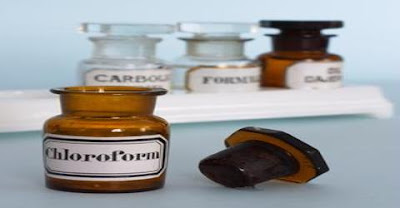
Chloroform is a toxin that can harm the skin, eyes, kidneys, liver, and nervous system if inhaled or swallowed.


Chloroform Market


Chloroform is an organic molecule that belongs to the trihalomethanes group of chemicals and has the chemical formula CHCl3. It's a colourless, pungent-smelling, viscous liquid that's employed on a vast scale as a precursor to polytetrafluoroethylene (PTFE). When bleaching powder combines with alcohol or acetone, chloroform is produced as a by-product. It can be used to dissolve alkaloids in their natural condition. Chloroform is extensively used in industrial settings. It is used in laboratories to prevent the degradation of organic tissues such as anatomical specimens.

People get sensitised to it if they are exposed to large amounts, despite the fact that it has no odour. This is due to a chain reaction involving chlorine and chloroform, which results in the formation of methane. However, employing chloroform to incapacitate someone in this manner is impossible. Inhaling a chloroform-soaked item takes at least five minutes to render a person unconscious. Chloroform in significant doses can harm the central nervous system (brain), liver, and kidneys in humans. Dizziness, weariness, and headache might result from inhaling high quantities for a short period of time. Acute inhalation can elicit systemic effects such excitation, nausea, and vomiting, which can be followed by ataxia, disorientation, and confusion.

Chloroform is the active ingredient found in chlorine. It is commonly used as an antiseptic, a purifier, an engine degreaser, and as a brake fluid thinner. The compound is also used as an antifreeze, and some form of it is used for treating petroleum diesel. It was first used as an industrial cleaner but has now been found to have many health hazards. It's been found that chronic exposure to low levels of chloroform can cause a variety of health problems ranging from headaches, nasal congestion, to asthma and depression. It's considered an irritant, and there are currently not any laws to protect consumers from exposure to the chemical.

There have been several instances of deaths caused by the inhalation of chloroform. While deaths due to direct exposure are uncommon, there have been cases in which individuals who were exposed to the chemical formula died as a result of liver or kidney failure. Chloroform is a very dangerous substance. Because of this, it is banned in more than a few countries around the world and has been included in a list of materials that are likely to cause toxic exposure. A variety of health problems could result if this chemical were to enter the body.

Wednesday, 10 November 2021

Fatty Amides are in high demand for slip additives, internal lubricants, exterior lubricants, and anti-blocking agents, among other uses.


Fatty Amides Market


Long-chain fatty acids, fatty acid amides are made up of one fat molecule and one amino acid. Palmitic acid, stearic acid, and linoleic acid are the three main types of fatty acids. Hydrogen and carbon atoms make up their chains. Amines having an amino group connected to a fatty molecule are known as fatty amides. Palmitic acid is the lone amine element in most FAAs found in nature. They are also known as N-acyl-alanine and have the functions OCA, RBC, and CHROM. An oleic acid is a well-known example. Fatty acids primary amide is another fatty amide typically found in dietary supplements.

Fatty acids come in a variety of types. The stability, chemical characteristics, and position on the fatty acid molecule varies amongst these fatty acids. Omega-3 fatty acids (omega-3) and docosahexaenoic acid are the two main types of fatty acids (DHA). Isocyanates (Iso-8), arachidonic acids (arachnoid acid), and ergosterol are among the others. The majority of dietary supplements contain one or more fatty amides; however, different plant species have different amounts of these fatty acids. Linoleic, stearic, and palmitic acids are among the most prevalent fatty acids found in nature.

The majority of the beneficial effects of dietary supplements are attributed to the ability of the fatty amides to react with other nutrients in the body. When a particular nutrient is deficient, the body cannot absorb or utilize it, and as a result, the person becomes malnourished. However, the body can utilize the fatty acids, called oleic acid, and therefore the deficiency is corrected by increasing intake of folic acid in the diet. When dietary supplements containing omega-3 fatty acids or docosahexaenoic acid are added, the deficiency in the specific nutrient is corrected, so the person may be able to recover from his or her deficiencies.

Tuesday, 9 November 2021

Membrane Chemicals are seeing increased use in important end-use industries such as food and beverage and water reuse.


Membrane Chemicals Market

Commercial reverse osmosis is one of the most prevalent types of membrane chemistry. Reverse osmosis is the process of separating liquids from solids using a semi-permeable membrane. Aside from that, it necessitates the application of a variety of physical and chemical approaches. There are various reverse osmosis firms that have developed specialised units for the purpose of purifying water for industrial and home use. These units have grown in popularity among manufacturers and housewives looking for efficient and cost-effective water filters.

Biomembrane purifiers are membrane chemicals that are specially designed to remove solids, dissolved pollutants, and organic compounds from the wastewater. This category of chemicals is highly demanded in the wastewater treatment and purification industry. It is mainly used to treat industrial and municipal wastewater. The primary role of these membrane chemicals is to treat unwanted chemicals from drinking water and to make the water fit for human consumption. Apart from this, they also serve as controllers for treated effluent to ensure that the discharge of such water does not pose any threat to the environment or to humans.

These are membrane chemicals that serve as components of emulsifiers, surfactants, and deodorizers. They bind with contaminants and allow their free movement to be hindered. Some of the commonly used surfactants and foulants include sodium hypochlorite, calcium carbonate, calcium thioglycolate, and polyacrylamide gel. Other than, other commonly used surfactants and foulants include polyethylene glycol, sodium sarcosinate, polyacrylamide gel, n-butylenediamine tetraacetic acid, N-ethylamine, N-methylsulfonylmethane, and N-sulfur confetti.

Fine Hydrate Is A Chemical Compound That Is Used As A Fire Retardant As Well As For Coating Various Wires And Cable Due To Its Anti-Corrosive Properties.


Fine Hydrate Market


Fine hydrate is used all over the world, including regions such as Germany, Mexico, and Japan. Fine hydrate is usually formed through combustion, electrolysis, expansion, deformation, and thermo-physical reactions. Fine hydrate is a composite material consisting of various aluminum (precious metal) alloys. The fine hydrate provides numerous advantages. For one, they are capable of resisting corrosion. For another, they are able to resist damage due to exposure to ultraviolet light, fire, oil, grease, and carbon dioxide. Due to the oxide coating on the surface of the composite material, the chemical bonds which link together the various alloys, are weakened, which allows the different alloys to interlink. This further results in better structural properties for the composite, e.g., greater strength, compactness, hardness, resistance to stress and heat, etc.

Fine hydrate as a fire retardant. It was originally developed to be used for fabric welding and bulletproof vests. The alumina has an extraordinary ability to resist high temperatures and resist corrosion from oxidizing substances. It can also withstand high temperatures of up to 350 degrees Celsius and resist the effect of oxygen on it. Fine hydrate has unique physical and chemical properties which make them suitable for a variety of uses. The powder form of fine hydrate can also be used as additives for various cement products.

It is widely used today for the production of fine wires, coatings for concrete and cement materials, and in the manufacture of rubber and textile products. One of the most popular applications of fine hydrate is its use as a flame retardant and additive. There are many companies around the world that depend on fine precipitated silica powders for protecting their flame retardant and moisture-sensitive machinery from damage due to oil and grease spatter. Alumina can be found in a variety of different alloys including iron, aluminum, and stainless steel.

Due to its ability to withstand the above-mentioned changes, fine hydrate has been found to be highly advantageous for use in a wide range of industries. It is primarily used in the production of tubes, pipes, shafts, and other metal parts that are subjected to heavy wear and tear. In regions such as Germany, the prevalence of chemical industries the demand for fine hydrate is also high. For instance, according to Germany Works, in 2019 there were around 2900 chemical companies in Germany.

Friday, 5 November 2021

A clean diesel current gaining huge adoption across North America and Europe


clean diesel Market


Diesel is the world's most efficient internal combustion engine, which provides more power and fuel efficiency than LPG and gasoline. Growing environmental concerns have resulted in the formulation of government regulations, in turn compelling manufacturers to create innovative methods used to meet emission standards. Clean diesel is a novel group of diesels, which contains 97 percent less Sulphur, made up of unconventional engines and effective emission control technology. Clean diesel are used on a large scale in transportation and to power various equipment in the mining, construction, and agriculture sectors. Clean diesels are cleaner, more fuel efficient, and offer more torque than other fuels. The clean diesel market, however, faces major competition from its gasoline, hybrid, and electrical counterparts.

The EPA estimates that green diesel engines account for approximately 18% of all vehicle emissions. Since diesel engines produce some air pollution during operation and absorption by the atmosphere, there are more vehicles on the road today with diesel engines than those with gasoline models. It is becoming popular for diesel vehicle owners to install high-efficiency particulate air (HAP) filters in their diesel engines. One of the benefits of HAP filters is that they help to significantly reduce the emission of nitrogen oxide, which is a highly toxic gas that contributes to air pollution. High-efficiency particulate air filter systems for diesel engines can also significantly improve fuel economy and reduce engine wear and tear. Diesel engines running on green diesel can also avoid harmful emissions such as carbon monoxide, which is a very dangerous chemical compound produced by incomplete combustion within an engine. These emissions cause a wide range of health problems including liver and kidney diseases.

In addition, clean diesel engines run much cooler than standard engines. A further benefit of clean diesel technology is that it has a long service life, which means that fewer repairs are necessary over the lifetime of the vehicle. Ultra-low-sulfur diesel is motor fuel with significantly reduced sulfur content. Since 2021, most of the oil-based diesel fuel currently available in North America and Europe has been of an ULSD kind. The term "ultra-low sulfur diesel" (ULSD) is actually used to refer to several distinct types of diesel that have reduced sulfur contents, which have higher boiling points than traditional diesel, but with significantly less sulfur and hydrocarbon vapor emissions. Many countries, including the European Union, have banned the use of ultra-low sulfur diesel products altogether, except in very few circumstances. Most other countries still allow the sale of these vehicles, but only to those who are involved in serious business applications or on some other specialized list.


Wireless electric vehicle (EV) charging Market to Soar in the Near Future Owing to Growing Consumer Adoption

Wireless electric vehicle (EV) charging makes use of near field charging technology, which charges electric vehicles using resonant magnetic...