Showing posts with label technology. Show all posts

Thursday, 19 August 2021

Digital Stethoscope are gradually becoming more popular due to their amplified optimal listening, ambient noise reduction, and recording and display capabilities


Digital Stethoscope market


A digital stethoscope, regardless of whether electronic or customary, is most usually used to pay attention to lung and heart sounds inside the body as a symptomatic guide. Tuning in, which has now been refined with electronic digital stethoscope for more than 200 years, was finished utilizing an aneroid stethoscope for almost 200 years. With this new innovation came another comprehension of precisely what a stethoscope does and how it is utilized. Stethoscopy is the most common way of tuning in for sounds inside the body, explicitly through the nose and mouth. These sounds are gotten by the stethoscope and changed over into electrical heartbeats by the aneroid sensor. These heartbeats are then intensified and shipped off a PC through radio or power. The digital stethoscope records these commotions and converts them into valuable sound frequencies for investigation. Because of the one of a kind nature of these sounds, a digital stethoscope has become a necessary piece of the clinical local area.

Traditional stethoscopes used either a bell-shaped apparatus called the stethoscope or an ear trumpet called a miter and placed in the ear. Since the aneroid sensor lacked the ability to pick up sound signals from the back of the throat, the traditional stethoscope could not distinguish between different breathing sounds such as those produced by the heart or lungs. This limitation eventually led to the development of the digital stethoscope. A digital stethoscope makes use of a microphone placed in the chest piece. The microphone converts the sound signals into electrical signals that are then sent to a computer.

With progresses in innovation, the plan of both the stethoscope and the electronic stethoscope has changed significantly. A conventional stethoscope is frequently outfitted with a stomach and test that have three to four channels to catch the patient's breathing pneumatic force. Interestingly, the advanced electronic stethoscope has simply two to five channels. In any case, the measure of data the gadget can assemble has essentially expanded too. Perhaps the most widely recognized sorts of ailments requiring the utilization of a digital stethoscope is a cardiopulmonary illness. Two kinds of this infection incorporate innate coronary illness (CHD) and rheumatic fever. Cardiovascular mumble, fast, unpredictable pulses, and hack are normal indications of CHD. Rheumatic fever shows itself in trademark torments like solidness, confined a throbbing painfulness, and fever. A cardiovascular sweep would uncover whether the patient had innate coronary illness or rheumatic fever.

Rheumatic fever and CHD both require medical attention as they can cause damage to blood vessels and lead to a heart attack. The best solution to this problem is a digital stethoscope equipped with an acoustic detection system. This acoustic detection system can detect the existence of obstructive coronary artery disease by creating a Doppler echo on the heart's surface. There are two options for using the Doppler method in inpatient care. One option is conductive cardiac massage, which requires the presence of an anesthesiologist or other anesthesiological professional during the procedure. Alternatively, the other option is to conduct cardio-respiratory resuscitation or CPR, which is more easily achieved by the use of the digital stethoscope.

Tuesday, 3 August 2021

Digital Stethoscope is gradually becoming popular due to amplified optimal listening, ambient noise reduction, and record and display capabilities


Digital Stethoscope


A digital stethoscope, whether electronic or traditional, is most commonly used to listen to lung and heart sounds inside the body as a diagnostic aid. Listening, which has now been accomplished with electronic digital stethoscope for over two hundred years, was done using an aneroid stethoscope for nearly two hundred years. With this new technology came a new understanding of exactly what a stethoscope does and how it is used. Stethoscopy is the process of listening for sounds within the body, specifically through the nose and mouth. These sounds are picked up by the stethoscope and converted into electrical pulses by the aneroid sensor. These pulses are then amplified and sent to a computer via radio or electricity. The digital stethoscope records these noises and converts them into useful sound frequencies for analysis. Due to the unique quality of these sounds, a digital stethoscope has become an integral part of the medical community.
Traditional stethoscopes used either a bell-shaped apparatus called the stethoscope or an ear trumpet called a miter and placed in the ear. Since the aneroid sensor lacked the ability to pick up sound signals from the back of the throat, the traditional stethoscope could not distinguish between different breathing sounds such as those produced by the heart or lungs. This limitation eventually led to the development of the digital stethoscope. A digital stethoscope makes use of a microphone placed in the chest piece. The microphone converts the sound signals into electrical signals that are then sent to a computer.
With advances in technology, the design of both the stethoscope and the electronic stethoscope has changed dramatically. A traditional stethoscope is often equipped with a diaphragm and probe that have three to four channels to capture the patient's breathing air pressure. In contrast, the modern electronic stethoscope has only two to five channels. However, the amount of information the device can gather has significantly increased as well. One of the most common types of medical conditions requiring the use of a digital stethoscope is a cardiopulmonary disease. Two types of this disease include congenital heart disease (CHD) and rheumatic fever. Cardiac murmur, rapid, irregular heartbeats, and cough are common symptoms of CHD. Rheumatic fever manifests itself in characteristic pains such as stiffness, localized aches and pains, and fever. A cardiac scan would reveal whether or not the patient had congenital heart disease or rheumatic fever.

Rheumatic fever and CHD both require medical attention as they can cause damage to blood vessels and lead to a heart attack. The best solution to this problem is a digital stethoscope equipped with an acoustic detection system. This acoustic detection system can detect the existence of obstructive coronary artery disease by creating a Doppler echo on the heart's surface. There are two options for using the Doppler method in inpatient care. One option is conductive cardiac massage, which requires the presence of an anesthesiologist or other anesthesiological professional during the procedure. Alternatively, the other option is to conduct cardio-respiratory resuscitation or CPR, which is more easily achieved by the use of the digital stethoscope.

Sunday, 20 June 2021

Computerized Physician Order Entry Systems; Designed to Replace a Hospital's Paper-Based Ordering System


computerized physician order entry system


A computerized physician order entry system, also known as computerized provider order management or computerized provider order entry, is a healthcare information system used to electronically captures and stores doctor's instructions and help improve efficiency of patient-care management. Computerized physician order entry system has made life much easier for healthcare providers. This method of record keeping is far more efficient than paper-based methods and offers the advantage of being able to access health records from nearly anywhere, at any time. These systems are designed to replace a hospital's paper-based ordering system.
Computerized provider order entry systems refers to the process of providers entering and sending treatment instructions, such as radiology, laboratory, and medication orders through a computer application rather than fax, paper, or telephone. Most systems allow providers to electronically specify medication orders as well as referral, radiology, admission, laboratory, and procedure orders. It is an application that enables providers to enter medical orders in a computer system that is located within ambulatory or an inpatient setting. Examples include renal- and weight-based dosing, medication contraindications, patient allergies to prescribed medications, and drug interactions.
A computerized physician order entry system has become a necessity for physicians in the United States. With the healthcare industry is growing rapidly as a result of increasing patient satisfaction and costs, it is no surprise that doctors are looking for new ways to improve their services. One way that they have found that helps them attract new patients, manage workflow, and cut costs is through the use of EMR integration. EMR integration refers to the process by which a physician's information is imported into a computer system that contains medical information pertinent to the practice and is in direct contact with patients.

Few U.S. hospitals have implemented computerized physician order entry system in spite of its effectiveness at preventing serious medication errors. Moreover, there is an increasing demand for computerized physician order entry system due to increasing adoption of CPOE in the United States.

The cell culture monitoring biosensor market is witnessing significant growth due to increasing medical research of personalized medicines and biologics


cell culture monitoring biosensor


The rise in interest in personalized medicine and increased production of pharmaceuticals push the global cell culture monitoring biosensor industry growth. There has been a drastic change in the attitude of patients towards this technology. With the increase in demand for these services, there has been an increase in the research activities directed at identifying important issues and risks that can threaten the production of important medicines.
In this regard, advancements in the field of cell growth measurement have provided new management approaches. These new techniques have the potential of reducing production cost and improving the quality of service delivery. Cell Culture Monitoring Biosensor are used in various applications like Electrophoresis, biochemical precipitation, and electrophoresis with fiber optic cables. This application of this technology enables researchers to study the characteristics of cells grown in culture.
Cell culture is one of the most effective ways of studying the biological activity of live microorganisms. Cell culture determines the nature, quality, and quantity of various components of cell cultures. This also helps in the identification of important traits of cell growth including mechanism, effect, and interaction. It also helps in detecting the cause of a health problem and developing drugs against it. Thus, a cell observation system is an important part of pharmaceutical development.

Moreover, cell culture monitoring systems are being used in drug development for the purpose of product development. This helps in identifying the target molecules and the function of these molecules. The most important benefit of using this method for product development is that it is cost-effective as it does not require any major investment. It can be applied for multiple-drug product development. Also, the cost of production is reduced as there is no need for scale-up and production.

Thursday, 10 June 2021

In order to meet the growing demand, a flagship smartphone is a step toward providing enhanced features.


flagship smartphone

The flagship smartphone is the most recent item from the brand which has been intended to oblige the developing requests for a superior smartphone. This item is a stage forward towards interfacing the world through innovation.

Flagship smartphone telephones are made by organizations and are designated at giving clients an effective smartphone experience. The main thing that one notification about these telephones is the huge and open interior stockpiling. Alongside this enormous inner stockpiling, it is additionally configuration to offer some incredible highlights into the handset which permit the client to play out an assortment of undertakings without any problem.
The second factor of the flagship smartphone is the incredible presentation and the lucidity of the showcase. The flagship smartphone has been planned with an enormous presentation, which has a phenomenal goal. This assists with making the photos that one view look more keen and more splendid. Another benefit that the client can escape having a huge screen is the incredible presentation and the reasonable camera execution. With the extraordinary presentation, it guarantees that one can see their substance with clearness thus they can appreciate photographs and recordings like never before.
With the fantastic camera performance, the customer can take as many pictures as they want and be able to edit them as well. The camera performance on the phone is simply outstanding and one can use the camera to its full potential. In fact, the quality of the images that one gets from the camera is really impressive. This is one of the main reasons why the company launches new series which are aimed at providing the users with the better camera performance.

Apart from the great display, the other main features that the customer can get from the phones are the superb speaker and sound quality.

Wednesday, 9 June 2021

E-SIM Cards have revolutionised the global telecommunications industry.


e-SIM cards


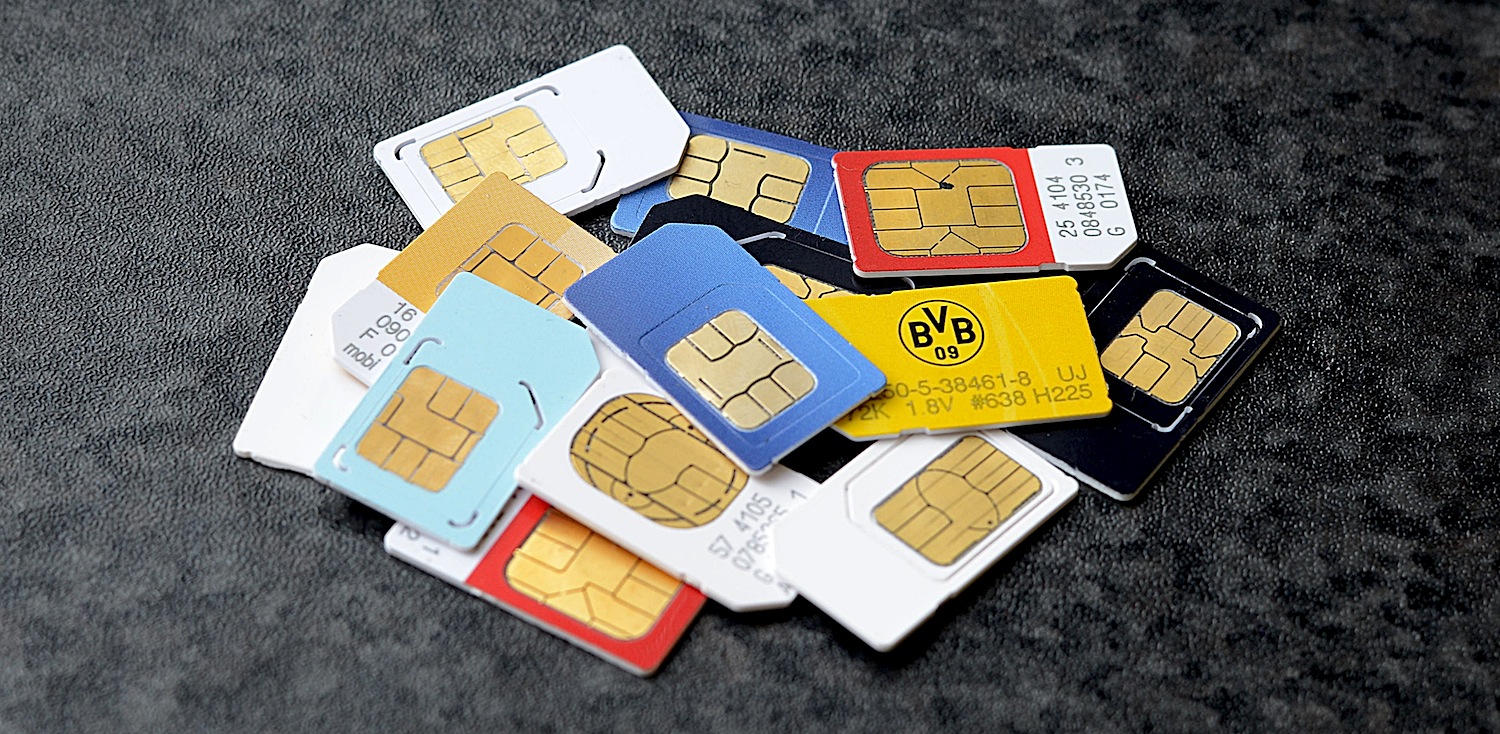
e-SIM cards are a technology that enables mobile phones to have more than one SIM card inside them, it gives more alternatives for the phone when multiple SIM cards are installed as it gives more freedom and flexibility in utilizing the phone. E-SIM represents integrated SIM card that is normally mounted on the motherboard of the personal device. It is comparatively introduced after smaller than usual SIM cards (Cell, Mini, and Nano) and standard SIM cards. However, unlike the SIM card, is anything but a removable card. It's likewise called eUICC (Embedded Universal Circuit Card.). e-SIM cards have become a piece of our lives. The use of these cards has been very wild and it has been a great help for some people. They have acquired a revolution the manner in which people communicate with each other.
Users are able to benefit from a plethora of benefits and offer once they switch over to use e SIM cards. One of the most fundamental benefits of e-SIM cards is that they permit the consumers to profit of exciting free endowments like workstations, PSPs, I-cases, Xboxes, etc. Every one of these wonderful endowments can be availed of without rolling out any improvements.
e-SIM cards are emerging as a great method to revolutionize the telecommunication business all throughout the planet. Aside from free calling, free messaging, and text messages, these e-SIM cards additionally offer other benefits, for example, free Internet connection, free caller id, free VOIP, a free handset, and a lot more features. Moreover, eSIM cards additionally upholds famous conventional, just as innovative internet devices like iPods, smartphone, etc. what's more, are likewise compatible with a worldwide standard range of telephones like PDA's, smartphones, etc. It additionally permits the consumer to make and receive calls without utilizing a handset.

Vodafone UK presently upholds e-SIMs in smartphones on its Pay Monthly plans, a convenient new technology supported by few other mobile network operators in the UK.

Wednesday, 28 April 2021

Distributed ledger Technology Market Size, Share & Trends Analysis


Distributed ledger technology refers to a digital system that records transactions related to assets. The transactions and other details are simultaneously recorded at numerous places. The database recorded through distributed ledger technology does not include an administration facility or central data storage. Instead, the database exists among several participants or across different geographical locations.
A distributed ledger (also called a shared ledger or distributed ledger technology or DLT) is a consensus of replicated, shared, and synchronized digital data geographically spread across multiple sites, countries, or institutions. Unlike with a distributed database, there is no central administrator.
At times an elective term is utilized: RJT for Replicated Journal Technology, since the data is imitated in the hubs containing full duplicate of the data and the data in the squares is remembered for ideal request, more as a bookkeeping diary than as a bookkeeping record.
A distributed organization is needed just as agreement calculations to guarantee replication across hubs is embraced. One type of appropriated record configuration is the blockchain framework, which can be either open or private.
The distributed ledger information base is spread across a few hubs (gadgets) on a distributed organization, where each recreates and saves an indistinguishable duplicate of the record and updates itself autonomously. The essential benefit is the absence of focal power. At the point when a record update occurs, every hub builds the new exchange, and afterward the hubs vote by agreement calculation on which duplicate is right. When an agreement has been resolved, the wide range of various hubs update themselves with the new, right duplicate of the record. Security is cultivated through cryptographic keys and marks.
distributed ledger might be permissioned or permissionless. This decides whether anybody or just affirmed individuals can run a hub to approve transactions.[10] They additionally change between the agreement calculation – verification of work, evidence of stake, casting a ballot frameworks and hashgraph. They might be mineable (one can guarantee responsibility for coins contributing with a hub) or not (the maker of the digital currency possesses all toward the start).
All blockchain is viewed as a type of DLT. There are likewise non-blockchain conveyed record tables.
Non-blockchain DLTs can be as an appropriated digital money or they might be the design on which private or public information is put away or shared.

The principle distinction is that while blockchain requires worldwide agreement across all hubs a DLT can accomplish agreement without approving across the whole blockchain.

Wednesday, 21 April 2021

Smart offices are a cutting-edge idea that boosts efficiency while lowering overall operating costs


With the presentation of cutting edge innovation into workplaces, it has permitted savvy workplaces to be created and increment profitability. This takes into consideration an office to have the option to work effectively, offering more benefit to a business by lessening costs just as utilizing innovation to expand efficiency. By utilizing new innovation, numerous organizations can save a lot of cash and even increment efficiency all the while.

Shrewd office is another idea that joins the conventional ideas of cooperation and correspondence in a more productive and compelling manner. The gathered information that is collected through these product programs are utilized to give a push towards expanded profitability and upgraded availability in the work environment. The more gainful the specialists the more viably will Smart officebe the possibility of overseeing and keeping up different activities and capacities.
Different programming programs are utilized in a shrewd office. These projects incorporate versatile and site applications. These applications help in making the vital stages where representatives can work and speak with the remainder of the association all the more productively. They can likewise establish an intuitive climate where clients can associate and share data all the more effectively and productively.

Shrewd workplaces likewise permit an organization to take on novel thoughts and work towards accomplishing objectives. By and large, a novel thought can permit a business to improve its administrations and increment its piece of the pie. Thusly, it might permit an organization to develop to a bigger degree than it recently expected.
Savvy workplaces can likewise consider the improvement of new programming programs that expansion the profitability of representatives. This can permit laborers to work all the more productively with less measure of human mistake. By carrying out new programming projects and preparing programs, workers might have the option to get more out of their time at the workplace.

The growing number of patients around the world, patient registry software is a medical record tracker used by healthcare systems


Patient registry software is a clinical record the executives framework utilized overall particularly in medical services areas of locales like the U.S., Singapore, and Italy, among others. Patient registry software is explicitly intended to store patient information, gather itemized clinical data, and make the basic interaction of patient consideration more proficient. Patients have generally expected quicker therapy and better consideration through better administration of their clinical records. Clinical practices have additionally reacted to the requirements of their patients by making and keeping up quiet library programming that stores itemized patient clinical records. Be that as it may, notwithstanding their advantages, Patient registry software and related frameworks have a few limits. Moreover, these frameworks immensely affect authoritative execution.
Patient data should be coordinated for extensive administration. There are typically a few arrangements of information put away in the Patient registry software, which require a lot of time to recover and sort. Moreover, if the informational index requires adjustment, this would mean an extra responsibility on the association as the necessary changes require an exhaustive audit of the entirety of the put away information in the Patient registry software.
Another restriction of the patient library programming is simply the chance of patient interest. A few practices handicap the capacity of a patient to adjust their clinical information as they dread that patients will manhandle their advantages. Such practices are likewise worried about security issues of the Patient registry software as programmers may now and again attempt to get to clinical data to exploit the framework. Nonetheless, in locales like the United States, the patient populace is high, subsequently, cutting edge innovations, for example, Patient registry software are expected to monitor the patients in countless emergency clinics the country over. For example, as indicated by American Hospital Association, at present, there are around 6090 emergency clinics in the U.S.

Patient data is generally of low quality, even though this is unlikely to be observed when reviewing it manually. As a result, it is very time-consuming to manually review each piece of clinical data that is collected. On top of this, a large amount of clinical data must be reviewed per year by independent clinical data collectors and it can become very complicated to manually review this amount of data in the patient registry software.


Monday, 5 April 2021

Initiatives to Slow the Spread of COVID-19 and Increase Remote Patient Monitoring Adoption


Remote patient monitoring (RPM) is a relatively new technology to allow tracking of patients from remote locations, including in a remote room or at home, that can reduce access to medical care and healthcare delivery costs. There are some very good reasons to consider the benefits of RPM. It can save time and money because a physician can perform more routine activities, such as taking patients' vital signs or administering medications, than would be possible if he had to physically visit the patients, while being away from the patient's location. Moreover, by offering health care services to patients in an unmonitored and out of doors setting, physicians are able to provide the highest level of care to their patients, while also maintaining high patient safety and security.

Emergence of Covid-19 is expected to boost demand for remote patient monitoring. In the U.S, regulatory bodies are expanding the use of non-invasive RPM devices to curb the spread of Covid-19. For instance, in March 2020, the U.S. Food and Drug Administration allowed expanded use of non-invasive remote patient monitoring devices to slow the spread of COVID-19. Some of the non-invasive remote-monitoring devices covered by the new guidance are electronic stethoscopes, non-invasive blood pressure devices, and respiratory rate/breathing frequency measurement devices.
As the remote patient monitoring technology continues to evolve and advance, it is important for health care provider to understand how it works and the benefits of remote patient tracking. A basic understanding of how this technology works is needed to decide if it is right for the medical setting. The first step is to ensure that the patient's electronic health record management system (EHRMS) has enabled data access from a local site or from any location remotely via a secure channel. Some EHRMS do not allow data to be remotely accessed; some providers use VPN and other security measures to protect the data. Additionally, ensure that the EHRMS has proper protection from unauthorized access so that patients' information is protected and confidential.
The second step involves implementing an application designed to enable remote patient monitoring. The software should have the ability to connect to the patient's EHRMS, allowing the physician to see vital signs, and then alert the physician in real time when the patient requires medical attention. In addition, the software should be capable of transmitting the data in an encrypted manner, making it impossible for unauthorized persons to retrieve or alter data without authorization. Third, the software should allow for data to be stored on a secure server in a secure environment, such as a secure area such as a cloud server, which will protect the patient's electronic health records from unauthorized access by another person or organization. In particular, the software should allow for data to be securely stored on remote servers and only accessible by authorized personnel of the patient's primary care provider.

The fourth step involves monitoring and controlling the patient's electronic health records remotely. This step involves accessing and retrieving these records to check for changes or discrepancies in health and ensuring they are correct and up to date.

Thursday, 1 April 2021

Virtual Reality Gaming is leading the pack in terms of 3D audio sound effects adoption


The technology of sound effects is constantly evolving by introducing new software and hardware systems. 3D audio is one such innovation, which is basically a group of sound effects that manipulate the sound produced by speaker-arrays, stereo speakers, and headphones. It is a phenomenon of transforming sound waves to mimic natural sound waves. 3D audio plays a vital role in creating a sense of immersion in virtual reality (VR) games. Popular video games such as Resident Evil 2 has 3D audio, which offers an immersive experience to gamers.
Putting is layman’s term, 3D audio feels like it is happening around you and not coming out of the speaker. It recreates sound in a more natural way so it feels like it is closer to you. 3D sound effects received major traction due to virtual reality gaming where audio will give the gamer the most realistic and immersive effect. Many consumer electronics companies and tech leaders are developing special headsets and speakers to produce a 3D effect of sound. 360 sound effect is the latest trend in this technology, which offers a new dimension to streaming audio on headphones. As a matter of fact, individual sounds such as chorus, vocals, guitar, piano, bass, and even the sound of a live audience can be replaced with a 360 spherical sound field. This offers artists and creators a new way to express their creativity.

In Japan, key industry leaders are focused on expanding the limits of 360 sound effects. Sony launched all new music experience called ‘360 Reality Audio’, which makes the audience feel as if they are immersed in sound from all directions. The company is focused on promoting this new music experience to music fans, artists, and music creators, which can give rise to a new world of music entertainment. It can be enjoyed through a compatible music streaming service smartphone app. However, it also requires compatible headphones for the optimum experience.

Monday, 15 March 2021

Initiatives to Slow the Spread of COVID-19 to Boost Adoption of Remote Patient Monitoring


Remote patient monitoring (RPM) is a relatively new technology to allow tracking of patients from remote locations, including in a remote room or at home, that can reduce access to medical care and healthcare delivery costs. There are some very good reasons to consider the benefits of RPM. It can save time and money because a physician can perform more routine activities, such as taking patients' vital signs or administering medications, than would be possible if he had to physically visit the patients, while being away from the patient's location. Moreover, by offering health care services to patients in an unmonitored and out of doors setting, physicians are able to provide the highest level of care to their patients, while also maintaining high patient safety and security.

Emergence of Covid-19 is expected to boost demand for remote patient monitoring. In the U.S, regulatory bodies are expanding the use of non-invasive RPM devices to curb the spread of Covid-19. For instance, in March 2020, the U.S. Food and Drug Administration allowed expanded use of non-invasive remote patient monitoring devices to slow the spread of COVID-19. Some of the non-invasive remote-monitoring devices covered by the new guidance are electronic stethoscopes, non-invasive blood pressure devices, and respiratory rate/breathing frequency measurement devices.
As the remote patient monitoring technology continues to evolve and advance, it is important for health care provider to understand how it works and the benefits of remote patient tracking. A basic understanding of how this technology works is needed to decide if it is right for the medical setting. The first step is to ensure that the patient's electronic health record management system (EHRMS) has enabled data access from a local site or from any location remotely via a secure channel. Some EHRMS do not allow data to be remotely accessed; some providers use VPN and other security measures to protect the data. Additionally, ensure that the EHRMS has proper protection from unauthorized access so that patients' information is protected and confidential.
The second step involves implementing an application designed to enable remote patient monitoring. The software should have the ability to connect to the patient's EHRMS, allowing the physician to see vital signs, and then alert the physician in real time when the patient requires medical attention. In addition, the software should be capable of transmitting the data in an encrypted manner, making it impossible for unauthorized persons to retrieve or alter data without authorization. Third, the software should allow for data to be stored on a secure server in a secure environment, such as a secure area such as a cloud server, which will protect the patient's electronic health records from unauthorized access by another person or organization. In particular, the software should allow for data to be securely stored on remote servers and only accessible by authorized personnel of the patient's primary care provider.

The fourth step involves monitoring and controlling the patient's electronic health records remotely. This step involves accessing and retrieving these records to check for changes or discrepancies in health and ensuring they are correct and up to date. To protect the EHRMS, data

Sunday, 14 February 2021

Incorporation of artificial intelligence (AI) and machine learning (ML) in ophthalmic devices not only provide better accuracy but also suggest the best treatment for patients


Let's know about different types of Ophthalmic Devices and the role they play in the treatment of eye disorders.
The first device to look at is the Ophthalmoscope. This device can be used to provide a clearer view of your vision by allowing the eye to be viewed with a magnifying instrument or magnifying glass. The device works to correct problems that may be present in the eye such as nearsightedness, farsightedness, and astigmatism.
Another type of Ophthalmic Device is a digital video camera. It works to provide an image that is much clearer than any other form of technology and has been designed specifically to help with vision correction problems. It can also be used to show a picture in front of a monitor so that the user is able to see the picture clearly.
Next on the list of devices is the Laser pointer. These devices can be used to provide images of the iris and the pupil and can also be used to provide images in bright light conditions. It is also important to note that these devices can sometimes correct problems such as lazy eye or astigmatism.
Other devices that are used in the treatment of eye disorders are also part of the different types of Ophthalmic Devices. They include a special eye drop that is used to reduce the amount of light that is entering the eye. This light entering the eye can cause damage and this is used to correct it. A special lens is also used to provide the eye with better drainage, helping the eye to maintain a clear eye color.

Recently, Icare USA launched Icare ic200 handheld tonometer for portable measurement of intraocular pressure (IOP). The device measures IOP without any air puffs, anesthetic drops, or specialized skills.

Monday, 18 January 2021

Incorporation of artificial intelligence (AI) and machine learning (ML) in ophthalmic devices not only provide better accuracy but also suggest the best treatment for patients


Let's know about different types of Ophthalmic Devices and the role they play in the treatment of eye disorders.
The first device to look at is the Ophthalmoscope. This device can be used to provide a clearer view of your vision by allowing the eye to be viewed with a magnifying instrument or magnifying glass. The device works to correct problems that may be present in the eye such as nearsightedness, farsightedness, and astigmatism.
Another type of Ophthalmic Device is a digital video camera. It works to provide an image that is much clearer than any other form of technology and has been designed specifically to help with vision correction problems. It can also be used to show a picture in front of a monitor so that the user is able to see the picture clearly.
Next on the list of devices is the Laser pointer. These devices can be used to provide images of the iris and the pupil and can also be used to provide images in bright light conditions. It is also important to note that these devices can sometimes correct problems such as lazy eye or astigmatism.
Other devices that are used in the treatment of eye disorders are also part of the different types of Ophthalmic Devices. They include a special eye drop that is used to reduce the amount of light that is entering the eye. This light entering the eye can cause damage and this is used to correct it. A special lens is also used to provide the eye with better drainage, helping the eye to maintain a clear eye color.
Recently, Icare USA launched Icare ic200 handheld tonometer for portable measurement of intraocular pressure (IOP). The device measures IOP without any air puffs, anesthetic drops, or specialized skills.


Thursday, 14 January 2021

Breath Analyzer Market


The global breath analyzers market size is predicted to succeed in USD 11.3 billion by 2024, consistent with Grand View Research, Inc. The market is anticipated is expand at a CAGR of 28.8% during the forecast period. Growing demand for breath analyzers from enforcement agencies and other institutions like schools, sports, and offices to attenuate alcoholic abuse may be a major market driver.
The Breath Analyzer may be a device wont to track the Blood Alcohol Content (BAC) in a private , through a breath sample. The test performed depends upon the connection between alcohol within the blood or within the breath flowing through the lungs. Increasing trend for extreme alcohol consumption resulting into road accidents; has increased the usage of breathalyzer devices. Favorable government initiatives are also driving in the market growth. Breathalyzer devices are also gaining importance due to increasing the demand at work place for effective BAC (blood alcohol content) level and its non-invasive nature which is increasing the demand for breath analyzer devices.
Breath Analyzer report is segmented on the basis of technology, application and by regional & country level. Based on technology, global breath Analyzer market is assessed into semiconductor sensor, cell and infrared adsorption. Based upon application, global breath Analyzer market classified into the drug abuse detection, alcohol detection, asthma detection, h.pylori infection detection, tuberculosis detection and others.


Read More


Wireless electric vehicle (EV) charging Market to Soar in the Near Future Owing to Growing Consumer Adoption

Wireless electric vehicle (EV) charging makes use of near field charging technology, which charges electric vehicles using resonant magnetic...