Showing posts with label Packaging. Show all posts

Friday, 24 December 2021

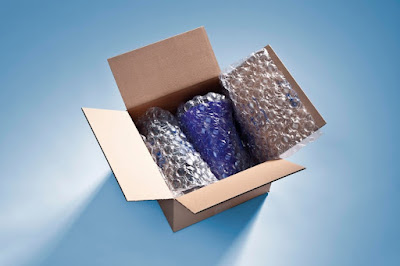
Protective Packaging Market SWOT Analysis, Innovations, Emerging Trends, Key Players, Future Scope | Forecast 2027

Protective Packaging Market

Packaging is the process of enclosing products in packages with protective wrappings or other external coverings to provide protection, information, security, and other benefits. Common packaging materials include boxes, bubble wrap, plastic, bags, cloth, and cartons. Product packaging has become an increasingly significant component of sales and marketing operations. With online sales increasing at a pace of 20% per year, packaging has an impact on brand image as well as shipping costs. Innovative packaging solutions provide brand value through internal packaging while also demonstrating commitment to environmentally responsible packaging while lowering overall package size and weight for decreased shipping costs.
The global protective packaging market is estimated to be valued at US$ 31,766.5 million in 2021 and is expected to exhibit a CAGR of 5.3% over the forecast period (2021-2028).
A recent study shows that consumer are more inclined toward purchasing products online, which is increasing the demand for packaging to protect goods from shock, vibration, and other damaging effects of shipping and handling. Increasing e-commerce sector is one of the main drivers and supports gains for products such as air pillows and protective mailers.
Packaging technological innovatons are critical in driving the growth of the protective packaging industry. The market is expanding rapidly due to a variety of causes, including increased demand from the food and beverage and healthcare industries, as well as consumer preference for easy packaging. Instead of employing traditional packing methods, advancements in technology have enabled innovation. Key market participants are focused on R&D operations to develop sustainable and environmentally friendly packaging materials that can be reused and recycled, according to recent trends. Popularity of online shopping, as well as the use of protective materials and sustainable packaging, are expected to have a positive impact on market growth throughout the projection period. Demand for protective packaging is driving investment in e-commerce applications. Many companies are investing extensively in the development of packaging products, with the goal of developing barrier resistant qualities that provide resistance to heat and moisture while also preventing food oxidation.

Phrama Blister packaging Market SWOT Analysis, Innovations, Emerging Trends, Key Players, Future Scope | Forecast 2027


Phrama Blister packaging Market


Pharma Blister packaging refers to various pre-formed plastic packaging used for several end-uses, including consumer goods, foods, and pharmaceuticals. Blister packaging has been widely adopted by the pharmaceutical industry as the packaging format to preserve and protect products from numerous external factors. Packaging is a crucial part of the drug delivery system as well as a vital element of marketing. With the expanding market, consumer demands grow and regulatory specifications develop. Thus, the dependence of pharmaceutical companies on packaging to protect and promote their products is increasing rapidly. Therefore, blister packaging is the preferred and fastest-growing packaging option for the pharma industry and is expected to further grow during the forecast period. This factor is mainly expected to drive the pharma blister packaging market for pharmaceutical industry.

Blister packaging is becoming more popular since it provides a diverse range of alternatives. PVC, PCTFE, PVDC, and thermoform blisters are typically utilised for less sensitive products, whereas Alu-Alu cold form blisters are employed for more sensitive Active Pharmaceutical Ingredients (APIs). Furthermore, these are the two most fundamental Pharma blister packaging options employed for pharmaceutical packaging. The first consists of a clear thermoformed plastic cavity, and the lid is made of clear plastic or a combination of plastic, paper, and/or foil. The cavity of the second type is generated by cold stretching and includes foil as an essential component of both webs. This type protects and preserves the integrity of the product and is the most common in the worldwide pharma blister packaging market for the pharmaceutical industry.

The COVID-19 pandemic has had a negative influence on different economies and businesses. Prior to the pandemic, businesses were making rapid progress toward their sustainability objectives. Packaging businesses were introducing new environmentally friendly, reusable, and biodegradable technologies. However, key pandemic-response measures including as lockdowns, reduced trade activity, and the temporary closure of various factories and workplaces in several nations have had an impact on packaging companies. In the future, there will be a need to rebalance sustainability goals to include increased sanitation, normalise eCommerce, and include product pricing. The pandemic's influence is projected to have a beneficial effect on the performance of the blister packaging market for the pharmaceutical sector, as new trends will emphasise customers' needs throughout the pharmaceutical industry.

Tuesday, 23 November 2021

Foodservice Disposables Are Mainly Used In Disposing and Delivering Food Items and Are Made Of Plastic, Which Poses a Threat to the Environment

Foodservice disposables Market

Foodservice disposables are widely accessible around the world, particularly in Italy, the United States, and Singapore. Foodservice disposables are any disposable objects made of paper, plastic, aluminium, or any other nonmetal material used in the foodservice industry. Because they are disposable, they are used as a business expense. Foodservice owners and operators, on the other hand, must be careful not to squander foodservice disposables because they are responsible for disposing of them after each meal. These items are acquired in bulk and disposed of in a systematic manner to reduce food waste and spoilage. Restaurants are the greatest places to use foodservice disposables.

The cost reduction that convenience stores and nutrition clinics achieve is one of the benefits of obtaining food service disposables from these establishments. On a per-order basis, most restaurants buy bulk supplies from convenience stores. Foodservice disposables stores sell a variety of single-use dispensers, bag cutters, and slotted paper trays at varied rates, and these items can be purchased separately. The cost per item is typically lower than the cost of a bulk buy. Restaurant owners and operators may also benefit from bulk purchases from grocery stores and convenience stores, as these establishments frequently support several franchises.

Another benefit for restaurants is the cost and time savings that come from using these sorts of foodservice disposables. Food service equipment stores sell these items in a variety of colours and beautiful patterns, and an increasing number of restaurants have created their own nameplates. While a paper plate may appear enticing to clients, it requires extensive cleaning and can deteriorate over time. Furthermore, restaurants should anticipate to spend a significant amount of time washing and cleaning these reusable products, as well as replenishing them with food. The demand for foodservice disposables has increased as the number of restaurants in regions such as Italy has expanded. For instance, according to Gruppo Ristoratori Italiani, currently, there are around more than 160 thousand restaurant businesses in Italy.

Dissolving pulp is used in production of regenerated cellulose.

Dissolving pulp Market

Dissolving pulp, also known as dissolving cellulose, is made from bleached wood pulp or cotton linters with a high cellulose concentration (more than 90%). It possesses unique qualities such as excellent brightness and a consistent molecular-weight distribution. This pulp is made for applications that demand high chemical purity and, in particular, a low hemicellulose content, because hemicellulose, which is chemically identical to cellulose, can interfere with following processes. Because it is not turned into paper, dissolved pulp is dissolved in a solvent or by derivatization into a homogenous solution, making it totally chemically accessible and removing any remaining fibrous structure. It can be spun into textile fibres (viscose or Lyocell) or chemically reacted to make derivatized celluloses, such as cellulose triacetate, a plastic-like material produced into fibres or films, or cellulose ethers, such as methyl cellulose, used as a thickener.
Dissolving pulp is mostly generated chemically from pulpwood in a low-yielding technique (30 - 35 percent of the wood). This accounts for around 85-88 percent of total production. Dissolving pulp is produced using the sulfite or kraft processes, plus an acid prehydrolysis step to remove hemicelluloses. It should be obtained from fast-growing hardwoods with low non-cellulose content for the best quality.

The sulfite process yields pulp with up to 92 percent cellulose content. As a base, it can be ammonium, calcium, magnesium, or sodium. The prehydrolysis sulphate process yields pulp with up to 96 percent cellulose content.
Special alkaline purification procedures can increase cellulose levels even further: up to 96 percent for the sulfite process and up to 98 percent for the sulphate process
A minor part is produced from the shortest cotton linters, normally second cut. These are washed mechanically and chemically to remove proteins, waxes, pectins and other polysaccharides. This is bleached to get the required brightness. Dissolving pulp from cellulose linters gives the purest cellulose and is used to manufacture acetate plastics and high-viscosity cellulose ethers.

Friday, 19 November 2021

A bag-in-box is a container for the storage and transportation of liquids


bag-in-box container Market


Bag-in-box containers are commonly used for the delivery of liquid products. It contains a bladder or a plastic bag composed of low-density polyethylene (LDPE) that sits inside the fiberboards. Bag-in-box is made from a variety of materials, including low-density polyethylene, ethylene vinyl acetate, and ethylene vinyl alcohol. This container is used for liquid foods, food and beverages, home items, and alcoholic and non-alcoholic beverages. Bag-in-box packaging is extremely dependable since it lowers packaging waste, provides chemical resistance, and acts as an oxygen and moisture barrier.
Bag-in-box container has many common commercial applications. Among the most common ones are to supply syrup to soft drink fountains and to dispense bulk supplied condiments such as ketchup or mustard in the foodservice industry (especially in fast food outlets). BiB technology is still used for its original application of dispensing sulfuric acid for filling lead-acid batteries in garages and dealerships. As explained further below, BiBs have also been implemented for consumer applications like boxed wine.
The consumer opens one end of the box (sometimes through a pre-scored opening) and connects a suitable connector to a built-in port on the bag to pump out the contents of a commercial syrup bag. The port itself features a one-way valve that opens only when pressure is provided from the connected connector, preventing the syrup in the bag from becoming contaminated. For consumer applications such as boxed wine, a tap already exists on the bag and protrudes through a pre-cut hole on the box, so the user just needs to identify the tap on the outside of the box.
Because of its inexpensive cost, BiB packaging is popular among manufacturers. BiB also assists the environment by allowing sizes ranging from 1.5 to 1000 litres, needing less packing and labelling. It is made of a lighter material than other plastic alternatives, which results in a lesser carbon footprint.

Wednesday, 17 November 2021

Corrugated packaging is a sustainable and low cost option when compared to its counterparts such as plastic containers.


Corrugated packaging market


Corrugated packaging is manufactured using a corrugated paperboard that encloses multiple rows of air columns. The air columns between the papers make these packaging stronger than usual cardboard packaging. In corrugated packaging, the air acts as a cushion for products placed inside them. The ridges in the paperboard offer flexibility and strength, as required in packaging.

Growth of e-commerce sector is expected to increase demand for corrugated packaging. Also, rising acceptance of retail-ready packaging is gaining traction, owing to its advantage of saving time in managing products. Retail-ready packaging has gradually become common in developed countries due to labor cost and time savings it offers. Corrugated packaging is a sustainable and low cost option when compared to its counterparts such as plastic containers. This is expected to result in increasing demand for corrugated packaging from the packaging sector

Corrugated Packaging Advantages
Corrugated fiberboard packaging has huge advantages including unmatched protection for the product, flexibility, and different treatments based on the need.
Protecting your product is one of the most important aspects in packaging, and corrugated is one of the most protective options. The fluting within the material allows for high durability and strength, to ensure your package arrives safely.
Combining structural soundness of the fluting with the cushioning qualities of a linerboard, corrugated packaging can be designed to fit specific protection needs. Protecting against shocks and jerks, it is extremely useful for the packaging of fragile objects.

What is corrugated packaging used for?
Corrugated material is composed of an inside liner and outside liner with fluting in between. It is commonly used for shipping boxes, retail display, and retail packaging. However, cardboard is any type of board made from heavy, one-layer paper-pulp stock.
It is commonly understood that transportation entails large and fluctuating loads for both products and packages. It is critical to develop corrugated boxes with optimal design and effective use of raw resources. Vibrations and shocks operating on pallets during transportation are transferred to corrugated boxes, significantly reducing the boxes' integrity and life time. The development of experimental and analytical techniques for measuring and predicting the influence of dynamic loads on box performance, such as stacking strength and stacking pattern conservation, would thus be extremely useful.

Tuesday, 9 November 2021

Functional films are used in protective coatings to improve their physical properties.


Functional films are polypropylene (PP) films that are applied to certain substrates in order to increase their physical properties, such as thermal conductivity or electrical conductivity. These films are generally used for a variety of applications, including coating fabrics and other substances. The physical and chemical properties of a film can be changed by applying specific chemical catalysts, or applying mechanical stresses to the film. In addition, certain types of plastics, which are hydrophobic, are able to trap small quantities of moisture, thus preventing their growth on the films.

Functional films are used in a variety of different applications to add a protective coating to a surface, increase the film's electrical or physical properties, or to make a barrier. In addition to protecting products from damaging agents, these films also provide protection from ultraviolet light.

All of these films have a wide range of possible applications, including protecting products, increasing material density, improving the electrical and physical properties of a material, or making a barrier. As stated above, certain types of plastics are hydrophobic, which means that they prevent moisture from collecting on their surface, and therefore require special coatings in order to prevent damage during use and storage. Other types of films that would benefit from coatings would include: barrier films, adhesive tapes, heat-shrinkage, laminate, vinyl, reflective, thermoset, tabbing, and thermoforming.

Among the most important benefits of using polypropylene (PP) films for packaging is that they provide excellent barrier protection against UV light, air and moisture. As a result, there are a number of materials used for PP films that do not contain significant amounts of antioxidants. Examples include carbonless dyes that prevent oxidation, non-porous composites, and thermoset polymers that prevent surface oxidation. The variety of potential applications of these films makes them a very attractive option, and one that manufacturers should strongly consider in the packaging process. When purchasing functional films for packaging, it's important that you ensure that the manufacturer you choose offers the specific type of protective film that you need, as well as the level of antioxidant activity that you're looking for.

Monday, 8 November 2021

Paper packaging is a sustainable, eco-friendly, and biodegradable packaging option made from paper pulp that may also be recycled.


Paper packaging Market


Paper packaging is an amazing, sustainable, renewable product. The paper used in paper packaging is made from trees through a process called pulp production, which uses the breaking down of tree rings into powder. Another popular paper packaging usage is food packaging. Food is especially delicate, and it's important to use high-quality packaging that's resistant to air and water damage. Corrugated boxes with dividers are the most common, but some companies offer boxes made out of sturdy wood or vinyl. This type of packaging will provide superior protection for your food.

The common type of paper packaging found in most retail stores is that of cover paper. Many companies use this paper packaging to wrap and store products, including lunch bags, snack wraps, and bottled beverage containers. In terms of cost, cover paper is relatively cheap. It comes in various thicknesses to address the needs of businesses. Small businesses often use thin paper packaging because it allows them to fit fewer products into a package, while larger businesses use thicker paper to protect against product loss or damage.

For those who ship items, Kraft paper as paper packaging is an excellent option. This type of paper offers excellent paper packaging and protection against both heat and moisture, which are common occurrences in shipping. It's also available in a variety of different types of thicknesses to address the needs of businesses shipping fragile products. Most eco-friendly paper packaging options are either corrugated or void fill. The corrugated bubble has traditionally been used as the industry standard, but as technology advanced, companies began to turn to void to fill to address several challenges they had in handling their products. Vacuum compression is a method used to improve the functionality of corrugated bubbles. This newer method makes use of a vacuum tube to compress the bubble so it can be more effective at shielding and preserving food.

Concerning paper packaging, the secondary paper packaging option is made from cardboard. Cardboard paper packaging is also another popular option that is not eco-friendly. Cardboard has a lower density, which is favorable for its lighter weight and portability. When compared to the other packaging options, however, cardboard paper packaging doesn't stand up to the test. It easily crumbles, breaks down into easy-to-manage pieces, and is quickly tossed when opened.


Wednesday, 3 November 2021

Pharma Blister Packaging Industry Witnesses R&D of Sustainable Packaging Solutions


Pharma blister packaging Market


Pharma blister packaging is consists of polyethylene terephthalate (PET) or polyvinyl chloride (PVC) plastic packaging. A blister pack machine closes the package inside which the blister is joined to the lining material normally by heat sealing. Blister packages have either a foil or paperboard backing, but some contain aluminum or other metal backing. Some contain only plastic sheets, while others are made up of sheets, or sheets, or multiple layers of thin plastic film. In addition, some blister packages use a secondary material, such as a thermosetting polymer, to add extra strength and stability.

Pharma blister packaging usually consists of clear plastic sheets with a snap or Velcro closure on each side. The sheets are placed inside a metal or wood case with a central hole. A cylindrical cavity filled with medication is then built around the plastic sheets, which contains the blistering agent. A metallic collar, located in the case, pushes against the plastic and creates pressure, which causes the blister to burst and release the medicine into the product. A needle or other insert may also be used to inject the medication into the blister, although this method is not generally used with liquids.

A common use for pharma blister packaging is for the production of dosage forms, particularly for administering to patients under medical supervision. Blister packaging provides good protection for the tablets during shipping, storage, and preparation. Furthermore, blister packaging provides good protection for tablet surfaces during shipping. Thus, blister packaging provides good protection for tablets for all these purposes.

Germany is witnessing R&D of sustainable packaging solutions. For instance, in August 2021, Klöckner Pentaplast, a Germany-based manufacturer of plastic packaging products, launched recyclable PET blister packaging that is easy to drop into existing operations.

Wireless electric vehicle (EV) charging Market to Soar in the Near Future Owing to Growing Consumer Adoption

Wireless electric vehicle (EV) charging makes use of near field charging technology, which charges electric vehicles using resonant magnetic...