Tuesday, 19 January 2021

Computer-Assisted Surgery (CAS) the Future of Orthopedics?


Computer-assisted surgery (CAS) is a computer-based surgical procedure using advanced technologies such as real time sensing and 3-D imaging. It utilizes smart instruments, intuitive software, and infrared camera navigation to achieve precision. It is normally used in trauma, ENT, neuro, cardiac, spine, urological, and orthopedic surgeries. CAS may allow for less-invasive surgical techniques, as well as it has other potential advantages such as less blood loss, smaller incision, and fast recovery.
Unlike traditional manual surgical procedures, computer-assisted surgery is not only safe and effective, but is also economical, minimally invasive, and less time consuming. In addition to minimally invasive techniques, computer-assisted surgery offers the use of minimally invasive techniques. Because computer-assisted surgery is completely non-invasive, patients will not have to worry about the discomfort or pain during the procedure. Patients can rest assured that all surgical instruments are completely sterile and will not have to undergo any type of anesthesia. The patient will also benefit from the accuracy of the computerized surgery system, as the results of the surgery will be shown on the screen.
Surgical navigation systems are an integral part of computer-assisted surgery. This gives surgeons the opportunity for pre-planning and precise surgical navigation of instruments during the procedure. Heart specialists in Singapore now have an extra set of helping hands in the operating theatre. The new assistant is a robotic arm that allows doctors to perform angioplasty more efficiently and precisely. In Italy, a medical instrument company launched a new robotic system to perform some of the most complex surgeries. The first four robotic surgeries were successfully performed in Italy.
In Short, Computer-assisted surgery (CAS) allows surgeon to control and move surgical instruments, using computer and software technology, through one or more small incisions in the patient's body for a variety of surgical procedures.

Adverse Impact of Covid-19 on Avionics Sector to Limit Demand for Aircraft Communication Systems


Aircraft communication systems are very important to maintain the safe and efficient operation of air traffic control as well as the smooth travel of military aircraft. How does an aircraft communication system work? First the data from the satellite communication is processed through the software-defined radio system of the aircraft. Once processed, this data is then converted to audio and sent to the radio operators at the control center. This process allows for real time commands and responses and allows for safe travel for military and commercial transportation activities. For example, if a missile launch warning is received from a military aircraft, military radars would allow the aircraft to turn around and return home safely without an operator needing to react and lost contact could lead to serious damage or collision.
Through SATCOM, we can receive clear voice communications from the cockpit; however, during bad weather or low-visibility circumstances these systems can often go down. Radio transmissions from the ground are usually reliable but the time it takes for the radio to travel to one point and back can be critical. With the use of a satellite-to-satellite connection the time required to send a signal to the ground can be greatly reduced and improved the safety of navigation systems for commercial and defense applications.
In the recent past, decrease in air traffic has led to low demand for aircraft communication systems. The global air passenger numbers are expected to decrease significantly during 2020, along with a significant reduction in revenue. Major airlines in the U.S. are also expected to witness significant reduction in passengers from 2019. However, initiatives to boost the aviation sector during Covid-19 is expected to offer lucrative growth opportunities for players in the market.
Moreover, recovery in domestic passenger traffic is also expected to boost demand for aircraft communication systems. For instance, according to ICRA Limited, an independent and professional investment information and credit rating agency, the Indian aviation industry witnessed a recovery in domestic passenger traffic in August 2020, with a sequential growth (over July 2020) of 25 per cent to 26 lakh passengers.

Dental prosthetics have gained significant demand in the tooth replacement surgeries in the recent year


 Dental prosthetics are artificial, intraoral implants used to restore missing teeth, broken teeth, or other abnormalities of the face and mouth. Dental prosthodontics is the specialized dental field that focuses on dental prosthetics. The prosthetic can be used for all kinds of dental needs including teeth repair, restoration of chewing functions, fitting dentures, crowns, bridges, and so on. Dental prosthodontics has opened up a new avenue of treatment for many patients who otherwise could not afford traditional dental treatments. These procedures have also proven to be less painful and invasive than many other available options.

Dental prosthetics can be used for tooth replacement surgeries, such as tooth root canals, capsular contracture, dental bridges, and so on. Also, they can also be used for dental implants, such as dentures and removable partial dentures. Some prosthodontists can even replace the complete jaw structure, restoring jaws that have become unable to chew properly, by placing the jaw in a customized mandibular position. This allows the prosthodontist to use his or her hands to manipulate the jaw and head into the correct position.
Dental prosthetics come in various forms, including traditional braces, dentures, retainers, bridges, crowns, and so on. They are made of materials that are comfortable for patients' teeth and that can be easily cleaned and maintained. Dental prosthetics can also be used to replace teeth that are damaged due to bad eating habits, accident injuries, or missing teeth. Some dentists offer this type of service as a part of a complete cosmetic dentistry package. Other dentists offer this service separately, through the use of dental implants. Because of their low cost and ease of use, dentists encourage patients to use dental implants when possible.
This procedure is highly recommended for people who have lost at least one tooth, or those who have missing all of their teeth

Here Is What No One Tells You about X-ray Security Scanner


X-Ray security scanners are used worldwide for a variety of purposes and they provide effective protection against theft, vandalism, and anti-social behavior. They are also ideal for correctional facilities and airports as they help reduce the cost of prison and removal services. X-rays are an essential part of general radiology practice as they allow doctors to view the damage to the internal organs of patients that would be otherwise unreachable with traditional X-ray techniques such as CT scans. This technology is used in most of the imaging procedures done in hospitals and doctors depend on them extensively to keep their practice running smoothly and efficiently.
X-ray security scanners are used to detect hazardous organic, inorganic, and metal materials by passing them through the scanner. Moreover, they are used to protect assets, facilities, and passengers from any type of harm or hazard. With the increasing number of airports and transportation centers worldwide, the need for the provision of proper security in these areas is also increasing. Security of these areas is important to avoid disturbances of goods, loss of human life, and loss of revenue. The increasing threat of terror attacks and the expansion of airport infrastructure is also expected to increase the need for security scanners.
Airport security systems use cabinet x-ray machines, millimeter-wave scanners, backscatter x-ray machines, and metal detectors to keep people safe while traveling. The United States airports are expected to receive US$ 335 million in safety and infrastructure grants for 80 airports in 25 states. Moreover, in 2018, Italian airports planned to invest US$ 650 million (EUR 536 million) in infrastructure development. Furthermore, Singapore’s Changi Airport has now deployed around 14 new body scanners across four terminals to boost airport security. However, around US$ 1.2 to 1.5 trillion is expected to be spent on global airport infrastructure development up to 2030.


Hospital beds are meant to give the best care and comfort to the patients


 Hospital beds are usually built and designed to provide excellent mobility, security, and comfort for various patients with varied treatment plans and various conditions. However, the adaptability and flexibility of modern hospital beds and similar safety products allow caregivers to better meet the diverse needs of their most difficult patients; safety should always be taken into consideration when selecting these items. This article is designed to address the safety benefits of hospital beds.

Some hospitals have beds where the patients lay down on a table while others have them installed in an area of the hospital where the patient is seen.
The main benefit of a hospital bed is that it offers a safe and secure place for the patients to sleep during the night. This is usually accomplished by using an adjustable bed, which can be placed up off the floor in order to allow for increased patient mobility and comfort. In addition to this, many hospitals include other safety features such as alarms, air-bags, safety rails, and other similar items that help to keep patients safe while they are being cared for. These additional elements ensure that even though the patient is awake they are kept safe and protected from injury during the night.
Another great benefit of hospital beds is that they have built-in safety features. For instance, many hospital beds have airbags, which can prevent patients from falling flat on their faces. The safety rails can also prevent an object from hitting a patient's head during the night and also the alarms can help alert staff that the patient may be injured or not feeling right. The most important safety feature for most hospitals however is the bed itself as it is the main point of contact for the patient.


Immunoassays instrument is gaining rapid adoption in the gene-based analysis especially for oncology


 Immunoassays, or DNA assays, are a method of DNA analysis. DNA is the basis of all biological material, including the DNA of living organisms, cells, and tissues. This method can be used to analyze, identify, and profile various biological samples. The analysis of DNA has developed greatly over the years, due to the ability to conduct DNA tests on living people.
The use of immunoassays for gene-based analysis has grown tremendously. Primarily, immunoassay analysis is used to evaluate gene-based treatments in oncology, cardiovascular, orthopedics, infectious diseases, and clinical diagnostics. Currently, the primary uses of immunoassays are for the evaluation of gene-based therapies in oncology and cardiovascular clinical trials.
The analysis and measurement of immune parameters by immunoassay instruments are known as response curve analysis (RCA). The first analysis of RCA was done by Ward and coworkers in 1980, using monoclonal antibodies to stimulate the lymphocytes Subsequent immunoassay measurement models and systems have been developed to extend the scope of research and to make immunoassay measurement more cost-effective. As part of the global research effort on the future of Immunoassay Instruments.
There are other uses for immunoassays other than the medical diagnosis and staging of infectious diseases. In the pharmaceutical and bio-medical industries, these instruments are often used for the direct quantification and analysis of the efficiency and toxicity of therapeutic drugs in clinical trials and/or manufacturing processes. In addition, immunoassay systems are also used in the Food and Drug Administration (FDA) to determine the concentration of contaminants in manufactured pharmaceuticals. And sometimes, they are used to test the effects of new drugs on humans when they are administered in patients with preexisting disease.


Focus on Self-reliance to Decrease Import of Barite in Various Emerging Economies


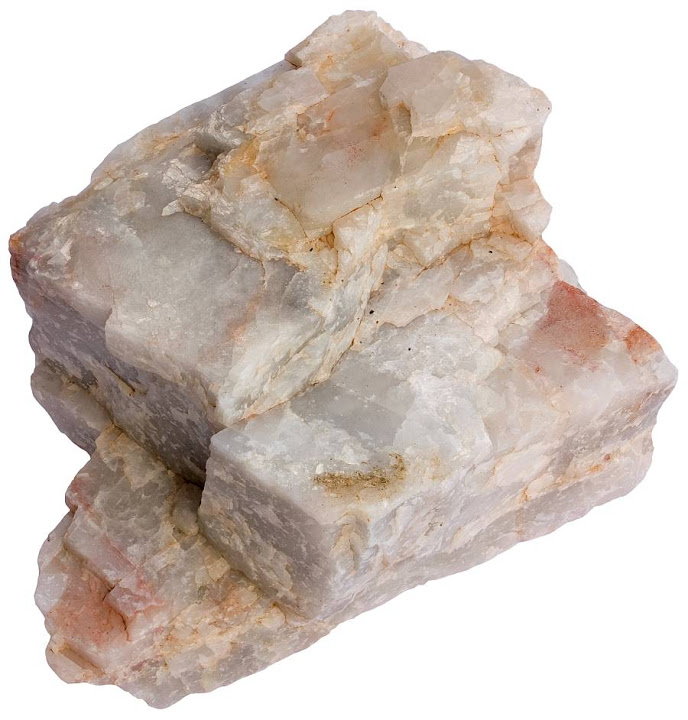
Barite is a type of mineral containing potassium sulfate or potassium borate. Barite is most commonly yellow or white in color, and the most common source of this mineral is barium sulfate. It is often found as a deposit in the rocks of North America, particularly the Western Interior Seaway. The marine group contains celestine, anglesite and anhydrite. Barite and celestine have a crystalline structure, which is why they are called borate minerals.
Barite has many uses, including in construction, plumbing, textiles, paints, and cosmetics. It also has been used in the treatment of asthma and pulmonary problems, in the production of drugs for cancer, and for treating anemia. It is known to be a potent anti-bacterial and anti-viral agent. Studies have shown that it can decrease the size and speed up the growth of bacteria, viruses, fungi, and protozoa, as well as to inhibit the growth of bacteria that cause cholera.
Barite is very stable and water resistant. It is also a relatively inert mineral, which makes it ideal for use as a flooring material in swimming pools, hot tubs, spas, and in shower pans. It has been used to make concrete, which was used in roadways, in place of asphalt. As a result of its high strength, durability, and resistance to damage, it was used extensively in the construction of dams. It was also used in making cement products, especially in making bricks.
Barite can be extracted from many places around the world. For example, it can be found in rock cavities, in the calcite of volcanic rock, in granite, in the felsic quartz of volcanic rock, and in metamorphic rocks. Barite is commonly found in sedimentary rocks. The Barite deposits in New Mexico and Arizona are unique in that they have been geologically proven to contain large amounts of this mineral. However, many other marine deposits are yet to be tested, because no scientific tests on them have been done. Some of the other types of barite deposits include those found in Europe and those found in the United States. This type of barite comes from shale deposits of the Devonian and Silurian age, which are commonly found in North Carolina and Kentucky. The deposits of the Silurian age contain very small quantities of this mineral, which are called rhyolites. In addition to being formed from shale and rhyolites, a small amount of this mineral, called the brecciation, is found in the limestone of the United States, as well as in the deposits of the Devonian age. In the recent past, import of barite has taken a hit in some emerging countries as they are focused on self-reliance for minerals and metals. In July 2020, Nigeria banned the importation of barite to help the country save foreign exchange for other purposes. Nigeria imports $300 million worth of barite annually from Morocco.


Diverse Range of Wind Turbine Composites is Accelerating Growth of Wind Turbine Industry Worldwide


 Wind Turbine composites come in various designs and sizes based on the use of blades in wind generators. These can be customized and made to meet the requirements of users. Some of them are modular which can be changed when required. This versatility offers users a choice for customizing their wind turbine with the help of modern technology. A number of composites made from carbon composites have become key players in the wind turbine composite market. Typically, these materials consist of a combination of carbon fibers reinforced by epoxy, aluminum, or tin-based resins. They are commonly used to create high-temperature products that increase the efficiency of cooling systems.

TPI Compounds - The components of the wind turbine composites include Ti-based resins. TPI or thermoplastic polyimide is one of the key players in the wind turbine composite market. This thermoplastic polymer was originally developed as a medical material used to seal and repair damaged tissue but has now found its way into many areas including the residential and commercial roofing and siding markets. It is often combined with other materials such as fiberglass to form composite materials that are lighter weight, require little maintenance, and are resistant to the elements. Fiberglass composites are made from fiber types of plastic usually derived from crude oil.
The most common composition is a rolled or blown out foam, which is then pressed together and formed into sheets. The production process results in a high resistance to wear and tear corrosion and shrinking due to changes in environmental conditions, making this a popular material for wind turbine blade blades and components The demand for wind turbine composites has been on a rise in numerous countries including Japan, Germany, and Mexico. Recently in Japan, Siemens Gamesa Renewable Energy SA expanded its wind turbine facility to deliver turbines for the Hai Long 2 wind farm.

Monday, 18 January 2021

With Continuous R&D Activities, Anti-reflective Coatings are Witnessing Massive Demand from Glass Manufacturing


The anti-reflective coating is designed to reduce or minimize the scattering of incident light by maximizing the reflective properties of the coating material. This will result in improved visibility and reduced visual reflections from the product or item being viewed under normal ambient lighting conditions. The anti-reflective coating can be applied to any object to help reduce visual reflections from an object's surface as reflected light has differing intensities depending on the angle at which the light is viewed. The anti-reflective coating enhances the object's aesthetic appeal as well as its functionality as it effectively removes glare and enhances visibility when viewing objects.
Anti-reflective coatings are used in many different areas of manufacturing today. Glass manufacturers use them in order to reduce the amount of reflection off the glass during normal usage. It is important for manufacturers to understand how anti-reflection affects their production process so that they can adjust production processes accordingly. In short, an anti-reflective lens is a specialized coating that is applied to your front and/or back glasses to reduce reflection. Simply stated, anti-reflection lenses reflect light and almost completely eliminate glare from your eyeglasses, reducing visual stress while increasing your visibility.
Anti-reflection coatings come in several types. There are anti-reflection coatings, which solve a particular problem, such as dealing with wide-angle glares at night. Or there are anti-reflection coatings, which are designed to correct a specific visual defect, such as low-power reflection. A more comprehensive anti-reflection coating can even remove some of the glare. An anti-reflection coating, which takes care of both wide-angle and low-light situations is called a broad-band coating. Anti-reflection lenses can also be designed to address specific issues, including eliminating glare at night, improving nighttime performance, reducing glare at the eye, and reducing glare on sunny days. Various studies have been carried out in the field of anti-reflective coatings to explore their capabilities. Researchers from the Tokyo University of Science, Japan are trying to mimic moth eyes to produce transparent anti-reflective coatings, which will include nanostructures.


Angioplasty Balloons: Effective But Risky Minimally-Invasive Tools Used In the Treatment of Various Cardiovascular Diseases


Angioplasty is a minimally-invasive surgical procedure used to expand the size of blocked or narrowed veins, usually to treat cardiovascular varicose veins (veins that narrow in the body's blood vessels). This procedure involves the use of a balloon catheter inserted into a vein, which is inflated to create an erection. The resulting angioplasty balloons create a "balloon" effect that forces the blood through the narrowed vein, which enlarges it.
Balloon angioplasty is an extremely successful procedure for most patients who have it. Recently, there have been attempts to convert angioplasty balloons into scoring and cutting systems. For instance, in June 2020, Transit Scientific announced the U.S. Food and Drug Administration (FDA) cleared the XO Score Percutaneous Transluminal Angioplasty (PTA) Scoring Sheath platform for use in iliac, ilio-femoral, popliteal, infra-popliteal and renal arterial plus synthetic and/or native arteriovenous hemodialysis fistula.
However, there are a few instances in which the procedure could fail - and technical failure might be the only reason a patient receives inadequate results. When this occurs, there are several different ways in which the angioplasty balloon can fail. Here is a look at the most common technical failure of angioplasty balloons, along with possible ways to prevent and repair the damage if it occurs.
First, technical failure occurs when the inflated balloon doesn't go through the vessel and into the wall of the rectum. While this is rarely the case, in some cases insufficient vasoconstriction has caused the balloon to get too far into the tissue and collapse - sometimes causing a full inflation of the vessel. This can cause serious hemorrhaging, diarrhea, and cramping, so if it occurs during the angioplasty procedure it is important to fix the problem immediately.
Another issue that can cause a balloon to fail is excessive valve muscle contraction. This is rare but has been known to occur in certain circumstances, such as when the angioplasty balloons inflate too much due to improper inflation. In this situation, the valve muscle becomes abnormally tight, causing the inflated balloon to get stuck in the tissue. This causes the vessel wall to contract tightly, which causes a full-blown vasoconstriction event - a condition that results in either a decreased blood vessel wall thickness or cramping.
A final, albeit unlikely, technical issue that can occur is fibrillation. If a fibril exists within a catheter during an angioplasty procedure, it can cause serious problems for both the patient and the surgeon. As the fibril contracts, it can potentially damage the sensitive blood vessels located in the anal canal and rectum. While rare, in some cases a fibrillar clot can also be present in the wall of the artery supplying the anal canal. The clot will decrease the effectiveness of the angioplasty procedure and can even prevent the catheter from working altogether. When this happens, the patient may require a second procedure to fix the problem.
Patients who are contemplating bypass surgery, whether it is performed inside the abdomen or on the thighs, should be aware of the risks associated with angioplasty. Though rare, some complications do occur and should be discussed in detail with your surgeon before you make any decisions regarding your procedure. By paying attention to your end result, as well as to the details of your particular case, you can ensure that you achieve the results that you desire - safe, comfortable, and effective!

Pressure Labels are Witnessing Massive Surge in Demand from Food and Beverage Industry for its Diverse Applications


Pressure Labels are an indispensable tool for businesses and organizations. They help label products at varying levels of pressure. The use of this labeling material is not limited to the packaging industry but has applications in all kinds of industries and products. Pressure Labels can be customized according to the customer's requirements for all products and applications. This helps the company in designing products for specific applications in household products, automotive products, chemicals, food & beverage, medical devices, apparel & accessories, electronics, sports goods, toys & hobbies, and other consumer products industries.
Pressure labeling is necessary for many applications in the food and beverage, clothing & fashion, industrial, cosmetic, and healthcare industries. Labeling applications cover almost all aspects of product development. Pressure labeling helps in effective product identification, efficient packaging, quality control, cost reduction, and consistency across the manufacturing process. Some of the applications include barcoding, hologram, direct digital printing (DDP), laser printing, hydrophobic coating, multi-color inks, and full-color lamination. In the beverage industry, the increasing demand and environmental issues have made it mandatory for every beverage to be packaged in an eco-friendly manner.
There are a variety of labeling applications based on different needs. There are labels for beverage applications such as labels for beer, soft drinks, liquor, coffee, tea, etc. There are labels for tobacco applications like cigarette labels and those for healthcare. There are adhesive labels that are beneficial for packaging, and there are food and dairy labels that are helpful for product branding. Other applications include labels for automotive, construction, electronics, chemical applications, food service equipment, and healthcare. Since there is a massive demand for pressure-sensitive labels in the food and beverage industry, new labeling machines are being introduced to gain a competitive advantage. For instance, Accraply, a U.S.-based manufacturer of label application systems, has introduced Sirius 100, a cost-effective pressure-sensitive labeling machine for highly flexible production lines.


Wireless electric vehicle (EV) charging Market to Soar in the Near Future Owing to Growing Consumer Adoption

Wireless electric vehicle (EV) charging makes use of near field charging technology, which charges electric vehicles using resonant magnetic...